
How to Become a Sterile Processing Technician
Quick Answer: To become a sterile processing technician, complete a certificate program at a trade school or community college (4-12 months), then earn certification (CRCST through HSPA or CSPDT through CBSPD). Many hospitals also offer on-the-job training programs. Most programs can be completed within 6-12 months. No college degree is required.
What does a Sterile Processing Technician do?
Sterile processing technicians (also called central service technicians, central sterile supply technicians, or SPD technicians) are responsible for decontaminating, inspecting, assembling, and sterilizing surgical instruments and medical equipment. They ensure that every instrument used in patient care is safe, sterile, and ready for use.
Primary Responsibilities
Decontamination:
- Receive soiled instruments from surgical and clinical areas
- Disassemble and sort instruments by type
- Clean instruments using manual and automated methods
- Operate washer-disinfectors and ultrasonic cleaners
- Inspect instruments for cleanliness and damage
- Follow established decontamination protocols
Inspection and Assembly:
- Inspect instruments for proper function
- Check for damage, corrosion, or wear
- Assemble instrument sets according to pick lists
- Verify all instruments are present and functional
- Wrap and package instruments for sterilization
- Label packages with appropriate information
Sterilization:
- Operate steam sterilizers (autoclaves)
- Run low-temperature sterilization equipment
- Monitor sterilization parameters and cycles
- Perform biological and chemical indicator testing
- Document sterilization loads and results
- Maintain sterilization records for compliance
Inventory and Distribution:
- Store sterile instruments properly
- Maintain adequate par levels
- Distribute instrument sets to surgical and clinical areas
- Track instrument usage and rotation
- Manage recall and defective equipment processes
- Coordinate with surgical scheduling
Work Environment
Sterile processing technicians work in various settings:
- Hospital central sterile departments
- Ambulatory surgery centers
- Dental offices and clinics
- Endoscopy centers
- Ophthalmology centers
- Veterinary hospitals
- Medical device companies
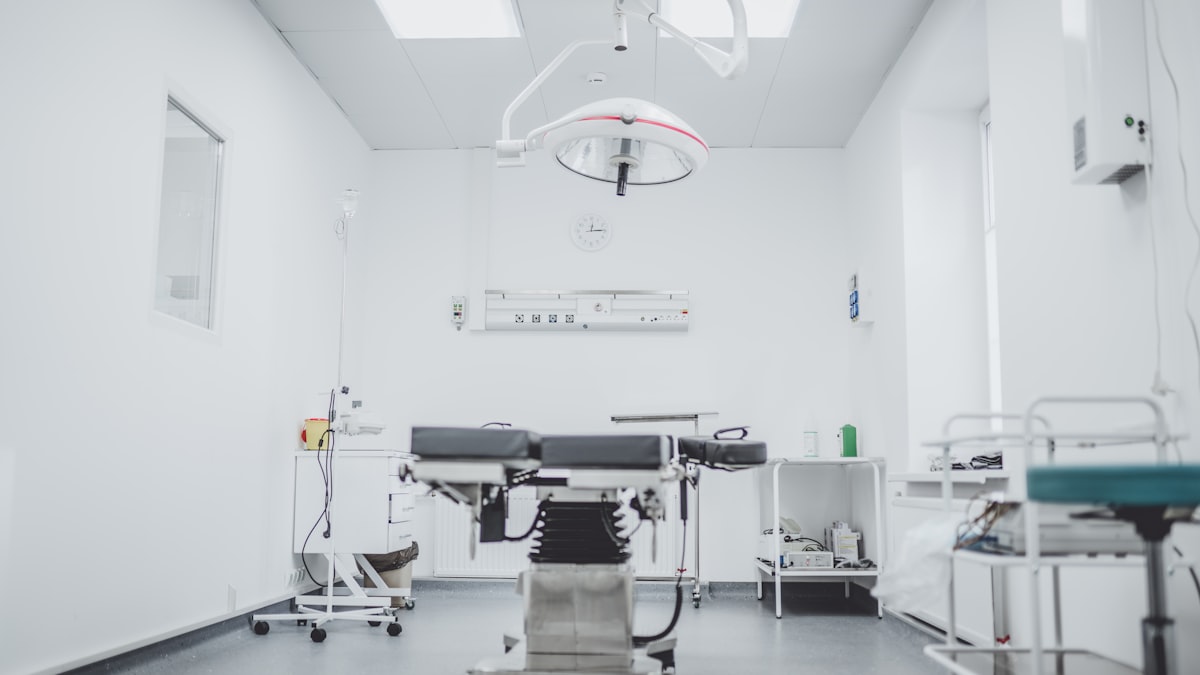
Certification types for Sterile Processing technicians
Certification demonstrates competence and is increasingly required by employers.
Certified Registered Central Service Technician (CRCST)
Issuing Organization: HSPA (Healthcare Sterile Processing Association)
Requirements:
- High school diploma or GED
- Complete HSPA-approved training program, OR
- 400 hours of supervised experience
Exam Details:
- 150 multiple-choice questions
- 2.5 hours time limit
- Covers decontamination, assembly, sterilization, quality assurance
- Check HSPA website for current exam fees
Renewal: Every year with continuing education
Certified Sterile Processing and Distribution Technician (CSPDT)
Issuing Organization: CBSPD (Certification Board for Sterile Processing and Distribution)
Requirements:
- High school diploma or GED
- Complete approved training program, OR
- One year of experience
Exam Details:
- 100 multiple-choice questions
- 2 hours time limit
- Covers all aspects of sterile processing
- Check CBSPD website for current exam fee
Renewal: Every 5 years with continuing education
Advanced Certifications
| Certification | Focus | Organization |
|---|---|---|
| CIS (Certified Instrument Specialist) | Surgical instrumentation | HSPA |
| CER (Certified Endoscope Reprocessor) | Flexible endoscopes | HSPA |
| CHL (Certified Healthcare Leader) | Management | HSPA |
Step-by-step path to becoming a Sterile Processing Technician
Step 1: meet basic requirements
Education: High school diploma or GED required
Recommended Preparation:
- Biology or anatomy courses
- Basic chemistry
- Computer skills
- Attention to detail
Physical Requirements:
- Stand for extended periods
- Lift up to 35 pounds
- Manual dexterity for instrument handling
- Good vision for inspection work
- Ability to work in temperature-controlled environments
Step 2: complete training
Certificate Programs (4-12 months)
- Focused sterile processing curriculum
- Includes clinical experience
- Prepares for certification exams
- Available at vocational schools and community colleges
On-the-Job Training
- Many hospitals train new employees
- Combines classroom and practical training
- Typically 6-12 weeks
- Must complete certification within specified timeframe
Associate Degree (2 years)
- More comprehensive education
- Includes healthcare fundamentals
- Better advancement opportunities
- May include management courses
Core Curriculum:
- Microbiology and infection prevention
- Anatomy and medical terminology
- Decontamination principles and practices
- Surgical instrumentation identification
- Sterilization methods and monitoring
- Quality assurance and documentation
- Regulatory compliance
- Safety procedures
Step 3: gain clinical experience
Build experience through:
- Program clinical rotations
- Entry-level technician positions
- Hospital volunteer opportunities
- Internships in sterile processing departments
Step 4: obtain certification
- Complete training requirements
- Choose certification (CRCST or CSPDT)
- Apply for certification exam
- Pass examination
- Maintain certification with continuing education
Step 5: begin your career
Entry-Level Positions:
- Sterile processing technician I
- Central service technician
- Decontamination technician
- Instrument processing technician
Common First Employers:
- Hospital central sterile departments
- Ambulatory surgery centers
- Large healthcare systems
- Outpatient surgical facilities
Training programs and education options
Program types comparison
| Program Type | Duration | Best For |
|---|---|---|
| Short Certificate | 4-8 weeks | Quick entry |
| Extended Certificate | 3-6 months | Comprehensive preparation |
| Associate Degree | 2 years | Career advancement |
| Hospital Training | 6-12 weeks | Career changers |
What to look for in a program
HSPA or CBSPD Approval: Programs approved by certifying organizations
Hands-On Training: Lab time with actual instruments and equipment
Clinical Experience: Rotations in hospital sterile processing departments
Certification Prep: Includes CRCST or CSPDT exam preparation
Job Connections: Relationships with local healthcare employers
Online vs. in-person training
Online Programs:
- Theory and fundamentals
- Flexible scheduling
- Must supplement with hands-on practice
- Good for working adults
In-Person Programs:
- Direct equipment practice
- Immediate instructor feedback
- Better skill development
- Preferred by employers
Program costs
Tuition by school type
Based on reported tuition from 47 schools with programs related to Sterile Processing Tech nationwide.
| School Type | Schools Reporting | Typical Tuition | Range |
|---|---|---|---|
| Community College (Public, 2-year) | 35 | $4,219 | $1,176 – $6,398 |
| Public University (4-year) | 8 | $4,504 | $2,090 – $22,082 |
| Private For-Profit School (4-year) | 1 | $28,600 | $28,600 – $28,600 |
| Private Nonprofit University (4-year) | 3 | $40,556 | $13,420 – $64,990 |
Tuition figures reflect annual published in-state tuition and fees as reported to IPEDS (Integrated Postsecondary Education Data System). Actual costs vary by program length, residency status, and financial aid. Contact schools directly for current pricing.
About this data
This table is based on 47 of 230 schools in our database with programs related to Sterile Processing Tech that report tuition data to IPEDS. "Typical Tuition" shows the median (middle value) for each school type. Tuition shown is the published annual rate before financial aid or scholarships. CIP: 11.0301, 51.1012.
Financial aid options
Financial aid is available at schools that participate in federal student aid programs. Complete the FAFSA to determine eligibility.
- Federal Pell Grants: Up to $7,395 per year (2026-27 award year) for eligible students
- Federal Student Loans: Subsidized and unsubsidized options available through FAFSA
- State Grants: Many states offer education grants for vocational and technical programs
- Scholarships: Professional associations and schools may offer program-specific scholarships
- Payment Plans: Many schools offer tuition installment plans
Sterile Processing Technician salary and job outlook
Salary by Experience Level
| Percentile | Hourly Wage | Annual Salary |
|---|---|---|
| 10th (Entry-level) | $17.50 | $36,410 |
| 25th | $19.13 | $39,800 |
| Median (50th) | $22.93 | $47,700 |
| 75th | $28.16 | $58,570 |
| 90th (Top earners) | $33.63 | $69,950 |
| Mean (average) annual wage | $50,510 | |
Source: BLS OEWS, May 2025. Occupation: Medical Equipment Preparers (SOC 31-9093).
Job Outlook
| Metric | Value |
|---|---|
| Employment (2024) | 76,500 |
| Projected Employment (2034) | 84,200 |
| Projected Growth (2024-2034) | 10.0% (faster than average) |
| Annual Job Openings | 10,900 |
Source: BLS Employment Projections, 2024-2034. Occupation: Medical Equipment Preparers (SOC 31-9093).
Growth is driven by surgical volume increases, infection prevention focus, and retirement of current workforce.
Salary by State
Career advancement opportunities
Specialization Options
Technical Specialties:
- Flexible endoscope reprocessing
- Surgical instrumentation expert
- Orthopedic instrument specialist
- Robotic surgery instrument processing
- Ophthalmology instruments
Advanced Roles:
- Lead technician
- Quality assurance coordinator
- Educator/trainer
- Vendor representative
Advanced Certifications
| Certification | Focus | Requirements |
|---|---|---|
| CIS (Certified Instrument Specialist) | Surgical instruments | CRCST + experience |
| CER (Certified Endoscope Reprocessor) | Flexible endoscopes | Training + exam |
| CHL (Certified Healthcare Leader) | Management | Experience + exam |
Career Paths
| Role | Additional Requirements |
|---|---|
| Lead Sterile Processing Tech | 2-3 years experience |
| SPD Supervisor | 5+ years + certification |
| SPD Manager | Bachelor’s preferred |
| Director of Sterile Processing | Bachelor’s + experience |
| Infection Prevention Specialist | Additional education |
Related career transitions
- Surgical Technologist: Additional education required
- Infection Preventionist: Bachelor’s degree needed
- Healthcare Quality Specialist: Certification available
- Medical Device Sales: Industry experience valued
Pros and challenges of this career
Benefits
- Short training timeline (4-12 months)
- Critical role in patient safety
- Consistent demand across all healthcare settings
- Behind-the-scenes work (no direct patient contact)
- Clear advancement pathway
- Multiple shift options available
- Job security in healthcare
- Many employers offer free training
Challenges
- Physically demanding (standing, lifting)
- Exposure to chemicals and biological materials
- Repetitive tasks
- High-pressure during surgical rushes
- Strict protocols with zero margin for error
- May work nights, weekends, and holidays
- Entry-level pay is modest
Frequently asked questions
How long does it take to become a sterile processing technician?
Certificate programs take 4-12 months. Many hospitals offer on-the-job training lasting 6-12 weeks. You can be working in the field within a few months to a year.
How much does sterile processing training cost?
Based on IPEDS-reported tuition data, the cost of sterile processing tech training depends on school type. Public colleges charge a median of $4,221 per year. Private nonprofit schools charge a median of $40,556 per year. Private for-profit schools charge a median of $28,600 per year. Actual costs vary by program length, residency, and financial aid. Individual outcomes vary.Is sterile processing technician a good career choice?
Sterile processing offers stable healthcare employment with consistent annual job openings. While entry-level pay is modest, the short training period and advancement opportunities make it an accessible pathway into healthcare. According to the Bureau of Labor Statistics (May 2025), the median annual salary for medical equipment preparers is $47,700. Entry-level positions (10th percentile) start around $36,410, and top earners (90th percentile) make $69,950 or more. Individual outcomes vary.
Do sterile processing technicians need to be certified?
Certification is increasingly required. Many states and employers mandate CRCST or CSPDT certification within a specified timeframe of hiring. Certification improves job prospects and salary.
What is the difference between CRCST and CSPDT?
Both certifications validate sterile processing competency. CRCST is offered by HSPA (Healthcare Sterile Processing Association), while CSPDT is offered by CBSPD. Both are widely recognized; some employers prefer one over the other.
Is sterile processing work dangerous?
The work involves exposure to chemicals, sharp instruments, and biological materials. Proper training, PPE (personal protective equipment), and adherence to safety protocols minimize risks. Most technicians work safely throughout their careers.
Where do sterile processing technicians work?
Most work in hospital central sterile departments. Other settings include ambulatory surgery centers, endoscopy centers, dental offices, and medical device companies.
How much do sterile processing technicians make per hour?
According to the Bureau of Labor Statistics (May 2025), the median annual salary for medical equipment preparers is $47,700. Entry-level positions (10th percentile) start around $36,410, and top earners (90th percentile) make $69,950 or more. Individual outcomes vary.Can I become a sterile processing technician with no experience?
Yes, many hospitals hire people with no healthcare experience and provide on-the-job training. Certificate programs also accept students without prior healthcare background.
What shifts do sterile processing technicians work?
Hospitals operate 24/7, so sterile processing departments often have day, evening, and night shifts. Weekend and holiday work may be required. Ambulatory surgery centers typically offer more regular weekday hours.
What is the job outlook for sterile processing technicians?
The BLS projects continued demand for medical equipment preparers. The constant need for sterile instruments in healthcare ensures steady demand. According to the Bureau of Labor Statistics, employment of medical equipment preparers is projected to grow 10.0% from 2024 to 2034, which is faster than average for all occupations. About 10,900 openings are projected each year.
How do I advance from technician to supervisor?
Gain 3-5 years of experience, earn advanced certifications (CIS, CER), develop leadership skills, and pursue opportunities for additional responsibility. Some employers have formal advancement programs.
How to get started today
Ready to begin your sterile processing technician career? Follow these steps:
- Research Programs: Use the search tool below to find sterile processing technician training programs in your area
- Consider Hospital Training: Check local hospitals for paid training programs
- Check Certification Requirements: Verify CRCST or CSPDT requirements in your area
- Plan for Certification: Budget for exam fees and study materials
- Apply and Enroll: Start your training program
Additional Resources
Certification Organizations
- HSPA: myhspa.org – CRCST certification and resources
- CBSPD: sterileprocessing.org – CSPDT certification
Professional Organizations
- Healthcare Sterile Processing Association (HSPA): Professional development and advocacy
- AAMI: Association for the Advancement of Medical Instrumentation
Regulatory Resources
- CDC: Infection control guidelines
- The Joint Commission: Healthcare accreditation standards
- AORN: Perioperative standards and practices
Career Development
- Continuing Education: Required for certification maintenance
- Specialty Certifications: CIS, CER for advancement
- HSPA Annual Conference: Networking and education
Find Sterile Processing Tech Schools by State
Find Training Programs Near You
Compare accredited schools and start your career path today.
Find Programs